

10th Class Admission in Cadet College – Complete Guide
10th class admission in Cadet College
Introduction
Enrolling for 10th class admission in Cadet College marks a defining moment in a student’s academic and personal growth. Cadet Colleges are known for their blend of education, discipline, and leadership training. The purpose is to develop responsible, confident, and well-rounded individuals who are prepared to face academic and life challenges with determination. These institutions provide a highly organized system that cultivates mental strength, physical endurance, and moral excellence.
Eligibility Criteria for Class 10 Admission
For 10th class admission in Cadet College, candidates must meet specific age and academic standards. Generally, students aged between 14 and 16 who have completed the 9th class are eligible. The college focuses on evaluating academic consistency, adaptability, and personal discipline. Successful candidates are those who exhibit strong learning abilities, leadership potential, and the capacity to adjust to a structured residential environment.
Admission Process Overview
The process for 10th class admission in Cadet College involves several stages aimed at identifying students who possess the intellectual ability, physical fitness, and character suitable for cadet life. Each step is designed to ensure that only deserving and capable students are selected for this prestigious educational opportunity.
Application Submission
The first step in the admission process is completing and submitting the application form. Accuracy and honesty are vital since the information provided helps determine the applicant’s initial eligibility. Timely submission reflects a student’s seriousness and sense of responsibility.
Written Entrance Examination
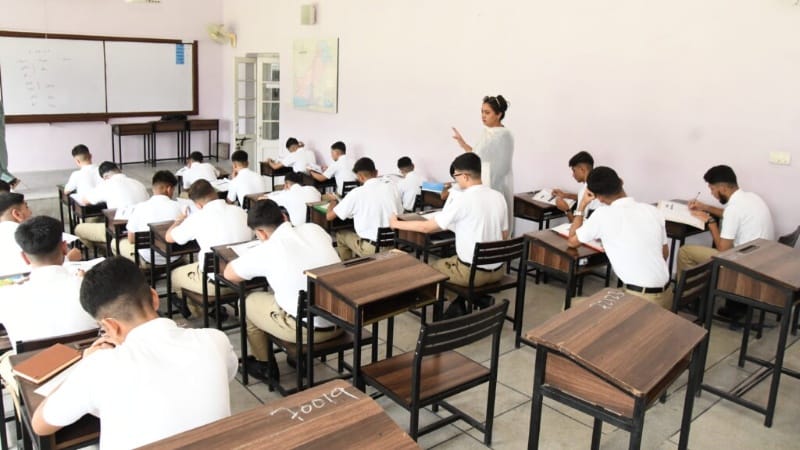
The written test is a central part of 10th class admission in Cadet College. It assesses understanding in core subjects like English, Mathematics, Science, and General Knowledge. The examination not only tests subject knowledge but also analytical and problem-solving skills, which are essential for success in higher academics.
Medical Fitness Evaluation
Once the written test is cleared, students undergo a medical assessment to ensure they meet the physical fitness standards required for cadet life. The evaluation includes checking stamina, general health, and endurance — qualities essential for participating in physical drills, sports, and daily activities.
Interview and Personality Assessment
In the final phase, shortlisted candidates appear before an interview panel. The purpose of the interview is to assess communication skills, discipline, confidence, and suitability for boarding life. Students are evaluated on their behavior, self-expression, and ability to adapt to Cadet College routines.
Academic Curriculum and Environment
After securing 10th class admission in Cadet College, students enter an academic environment that emphasizes excellence and structure. The curriculum follows national educational standards while also promoting critical thinking and creativity. Teachers monitor progress through regular assessments and provide personalized guidance. The academic system encourages balance between intellectual development and discipline, ensuring long-term academic success.
Discipline as the Foundation of Cadet Life
Discipline is the defining feature of Cadet Colleges. Every cadet follows a well-planned daily routine that includes morning assemblies, classroom sessions, physical training, and co-curricular activities. This disciplined environment teaches students punctuality, respect, and accountability, shaping them into responsible individuals.
Physical Training and Sports Culture
Physical fitness is a cornerstone of the Cadet College experience. Students participate in sports such as football, basketball, athletics, and parade drills. Regular physical exercise promotes teamwork, endurance, and leadership qualities. The emphasis on physical health helps cadets maintain both physical strength and mental alertness.
Co-Curricular Activities and Skill Development
Cadet Colleges encourage students to engage in co-curricular programs that support personal growth. Activities such as debates, science exhibitions, creative writing competitions, and cultural events foster creativity, confidence, and effective communication. These experiences play a major role in developing leadership and interpersonal skills among cadets.
Residential Life and Personal Growth
The boarding life of a Cadet College is designed to instill independence and social responsibility. Students live in a community where cooperation, respect, and discipline are essential. They learn to manage their time, maintain personal order, and adapt to communal living — valuable skills that strengthen both personality and character.
Leadership Development and Personality Grooming
Leadership training is an integral component of 10th class admission in Cadet College. Cadets are assigned responsibilities that enhance their decision-making abilities and teamwork. These activities aim to develop initiative, confidence, and a sense of duty. Over time, students learn to lead with empathy, integrity, and vision.
Moral and Character Education
Moral education plays a vital role in shaping cadets into responsible citizens. Ethical conduct, honesty, and respect are emphasized throughout the academic and residential experience.
Advantages of Studying in Cadet College
Pursuing 10th class admission in Cadet College offers several benefits. Students experience a balanced blend of academics, physical training, leadership education, and moral discipline. They become confident, independent thinkers capable of handling complex challenges. The holistic environment nurtures ambition and prepares them for higher education and professional success.
Preparing for Future Success
The training and education provided at Cadet Colleges prepare students for both academic advancement and life challenges. The combination of knowledge, discipline, and leadership ensures cadets are ready to excel in future endeavors, whether in higher education, armed forces, or any professional field.