

Electrical Pull Box Helps Route Power Lines
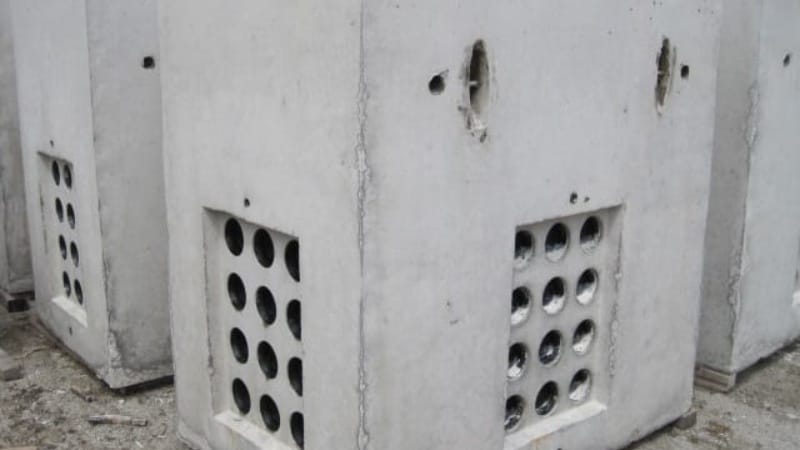
An electrical pull box plays a very important role in routing power lines safely and efficiently. Modern electrical systems depend on clean, organized, and well-protected wiring paths. Without the right support, power lines can become difficult to manage, unsafe, or hard to maintain. This is where an electrical pull box makes a big difference. It helps electricians route power lines through long conduit paths, around corners, and into different sections of a building or outdoor system. It also protects the connections and makes the entire electrical layout easier to maintain.
A pull box may look like a simple structure, but inside it supports many important tasks. It helps electricians pull wires, access connections, change wire direction, and keep the electrical routes organized. In this blog, we will explore how an electrical pull box helps route power lines, why it is important, and how it benefits residential, commercial, industrial, and underground systems.
What Is an Electrical Pull Box?
An electrical pull box is a strong enclosure placed at different points in a conduit system. Its purpose is to give electricians extra space to pull power lines, make connections, and manage the direction of the wiring. Pull boxes come in metal, plastic, and precast concrete. Precast concrete pull boxes are especially popular for underground and outdoor electrical systems because they are very strong, weather-resistant, and long-lasting.
The pull box also protects power line joints, keeps the system organized, and makes access easier when maintenance is needed.
How a Pull Box Helps Route Power Lines
Creates Organized Routing Points
Power lines need a clear and clean path to reach their destination. A pull box gives electricians a proper space to route power lines in an organized way. Instead of stuffing long cables into a single continuous conduit, the pull box breaks the route into smaller segments. This allows wires to pass through the system smoothly and safely.
2. Helps With Direction Changes
Power lines often need to change direction while running through walls, floors, or underground systems. Sharp bends can damage insulation or make wire pulling very difficult. A pull box gives the power lines enough room to bend naturally. This reduces stress on the cables and prevents long-term damage.
3. Reduces Wire-Pulling Tension
Long conduit runs increase friction, and friction increases tension. If the tension is too high, the wire may stretch, tear, or break. A pull box acts as a relief point where electricians can pull wires easily in shorter sections. This lowers stress during installation and keeps the power lines safe from damage.
Protects Wire Joints and Splices
Power lines sometimes need to be joined or extended. These joints are sensitive and must stay protected from moisture, dust, and physical impact. A pull box keeps these splices safe and provides a covered space where electricians can make the connections properly. This protection helps keep the entire system strong and reliable.
Makes Power Line Access Easy
Once installed, power lines may need inspection or repair. A pull box gives electricians a clear access point. Instead of searching for hidden connections, they can simply open the pull box and check the wires. This saves time, reduces effort, and makes the system easier to maintain.
Why Routing Power Lines Properly Matters
Routing power lines is not only about connecting wires. It is about:
- Safety
- Efficiency
- Long-term durability
- System performance
Power lines that run through messy, tight, or unsafe routes can cause overheating, short circuits, or electrical fires. A pull box reduces these risks by helping electricians route lines safely and clearly. It also prevents damage that may occur when wires are forced through sharp bends or long, rough paths.
Proper routing also makes future upgrades and repairs easier. When the wiring is organized, electricians can quickly understand the layout and make changes without confusion.
Common Places Where Pull Boxes Help Route Power Lines
Homes and Residential Areas
In houses, pull boxes help route power lines for lighting, outlets, appliances, and outdoor electrical systems. They allow easy access for repairs and support clean routing paths through walls and ceilings.
Commercial Buildings
Offices, malls, stores, schools, and hospitals use large electrical systems. Pull boxes help organize the many power lines that run through these buildings. They make installations easier and keep wiring safe and accessible.
Industrial Facilities
Factories and plants use heavy-duty power lines for machines, motors, and control systems. Pull boxes help route these thick cables and protect them from harsh environments, vibrations, and high power loads.
Underground Electrical Systems
Underground cables need extra support because soil pressure, moisture, and long distances increase risk. Pull boxes act as access points along the route, allowing workers to inspect and maintain power lines without digging large areas.
Street Lighting and Traffic Systems
Cities use pull boxes to route power lines for street lights, traffic signals, and communication lines. They make maintenance easier and keep the system running smoothly.
Benefits of Using a Pull Box for Routing Power Lines
Improves Safety
Pull boxes help prevent wire damage, overheating, and electrical hazards. They give the wiring enough space and protection.
Organizes Wiring Paths
With a pull box, power lines stay neat and easy to understand. Organized wiring reduces confusion and errors during repairs.
Supports Faster Maintenance
Electricians can quickly access and repair power lines inside the pull box, reducing downtime.
Reduces Installation Time
By breaking wire runs into smaller segments, pull boxes make installation faster and smoother.
Conclusion
An electrical pull box helps route power lines in a safe, clean, and organized way. It supports wire pulling, reduces tension, protects sensitive joints, and allows cables to change direction smoothly. Whether installed in homes, commercial buildings, industrial facilities, or underground systems, a pull box makes electrical routing easier and more reliable.
By choosing the right pull box and installing it correctly, electricians can create a power line system that stays safe, efficient, and easy to maintain for many years.
_1770707846763.jpg?alt=media&token=ff576560-d36d-4fcb-ae82-3f571eee94e3)