

Housing Disrepair: Tenant Rights and Health Risks
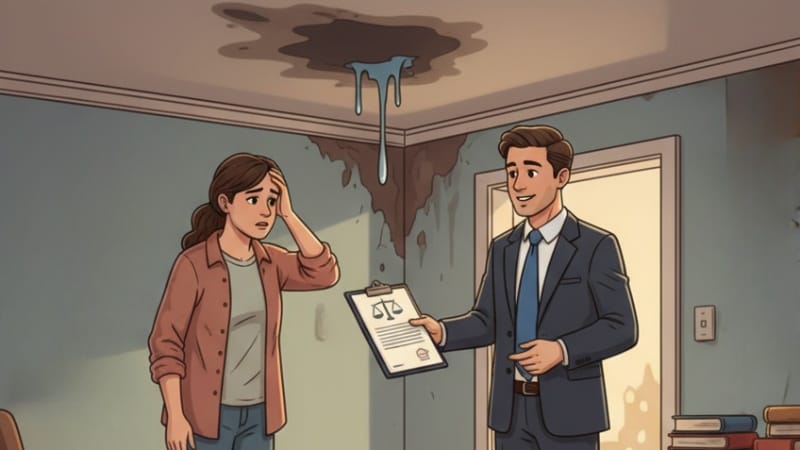
Housing disrepair is a serious issue affecting tenants across the UK. It occurs when a rented property falls below the standards required by law, putting occupants at risk both physically and mentally. Understanding housing disrepair, its health implications, and the remedies available is crucial for tenants seeking safe living conditions.
What is Housing Disrepair?
Housing disrepair refers to defects or conditions in a rented property that make it unsafe, unhealthy, or unsuitable for habitation. Common problems include:
Damp and mould growth: Often caused by poor ventilation or leaks, this can damage walls, ceilings, and personal belongings.
Leaking roofs or plumbing issues: Persistent leaks can cause structural damage and create slip hazards.
Broken heating systems or faulty electrical installations: These issues can leave tenants exposed to cold, fire risks, or electrical accidents.
Structural defects: Cracks in walls, unstable flooring, or deteriorating foundations threaten the overall safety of the property.
Pest infestations: Rats, mice, and insects can carry diseases and further damage the property.
Disrepair can have long-term effects, from damaging a tenant’s health to decreasing the property’s value. Under the Landlord and Tenant Act 1985, landlords are legally obligated to maintain properties and ensure they remain fit for habitation. Failure to comply can give tenants grounds to pursue remedies.
Health Risks Associated with Housing Disrepair
Living in a property in disrepair can have serious health consequences:
Respiratory Issues: Damp, mould, and poor ventilation can trigger asthma, allergies, and chronic respiratory conditions.
Physical Injuries: Broken staircases, loose flooring, and faulty fixtures can cause falls, cuts, or more severe injuries.
Mental Health Impact: Persistent worry about living conditions can cause stress, anxiety, depression, and insomnia.
Chronic Health Conditions: Exposure to cold, damp, or unsafe environments can worsen pre-existing issues such as arthritis, cardiovascular disease, or respiratory illness.
These risks highlight the importance of timely repairs and property maintenance. Tenants often use evidence of these impacts when pursuing claims, including Birmingham housing disrepair claims, which can cover health consequences, property damage, and distress.
Causes of Housing Disrepair
Housing disrepair can arise from multiple factors, including:
Landlord Neglect: Some landlords delay repairs due to cost, lack of awareness, or mismanagement.
Aging Properties: Older buildings naturally face wear and tear, such as deteriorating plumbing, faulty wiring, or weakened structures.
Tenant Misuse: While tenants are expected to care for the property, damage caused by misuse can complicate repairs, though landlords remain responsible for structural and essential systems.
Poor Property Management: Delayed responses from letting agents or property managers allow minor issues to escalate into serious hazards.
Tenant Rights and Responsibilities
Tenants are entitled to live in safe, habitable conditions. Key rights include:
Right to Repairs: Tenants can formally request repairs from their landlords, who are legally obligated to respond within a reasonable time.
Compensation: Tenants may claim damages for personal injury, health problems, or inconvenience caused by housing disrepair.
Documentation: Keeping written records, photographs, and communication logs strengthens any future claims.
Tenants also have responsibilities: reporting problems promptly, avoiding unnecessary damage, and maintaining the property in reasonable condition. Cooperation between tenant and landlord is essential for preventing serious hazards.
Landlord Responsibilities
Landlords have a legal duty to maintain properties in a safe and habitable condition. Their responsibilities include:
Maintaining the structure and exterior of the property.
Ensuring plumbing, heating, and electrical systems are functional and safe.
Addressing issues such as damp, infestations, or structural hazards promptly.
Ensuring compliance with gas and electrical safety regulations.
Failure to meet these obligations can result in enforcement by local authorities or legal claims by tenants, which can include compensation for damages, inconvenience, or health impacts.
Legal Remedies for Housing Disrepair
When landlords fail to carry out repairs, tenants have several options:
Negotiation: Contacting the landlord or letting agent to resolve issues amicably.
Local Authority Intervention: Councils can inspect properties and issue improvement notices requiring landlords to carry out repairs.
Court Claims: Tenants may seek compensation for personal injury, health issues, or loss of amenity. Legal evidence such as photos, written reports, and medical documentation strengthens these cases.
Rent Abatement: In some situations, tenants can withhold part of the rent until repairs are completed. Legal advice is recommended before taking this step.
Preventing Housing Disrepair
Preventing disrepair requires cooperation from both landlords and tenants:
Regular Inspections: Landlords should conduct routine checks and maintenance to prevent minor problems from becoming severe.
Prompt Reporting: Tenants should report issues as soon as they arise to avoid escalation.
Clear Communication: Open and timely communication helps resolve problems efficiently.
Record Keeping: Maintaining logs of repairs, correspondence, and inspections ensures accountability and provides evidence if legal action is necessary.
Conclusion
Housing disrepair is more than an inconvenience; it is a legal, health, and safety concern. Tenants need to understand their rights and pursue remedies when landlords fail to maintain properties, while landlords must fulfill their legal obligations. Awareness, proactive maintenance, and timely communication are crucial for preventing housing disrepair and protecting the health and well-being of tenants. By taking these steps, both landlords and tenants can ensure homes remain safe, habitable, and comfortable. Ignoring early signs of disrepair can lead to more serious, costly problems in the future. Prompt action not only safeguards tenants but also preserves the value and longevity of the property.
_1770707846763.jpg?alt=media&token=ff576560-d36d-4fcb-ae82-3f571eee94e3)