

How a Home Inspection Can Save You Money
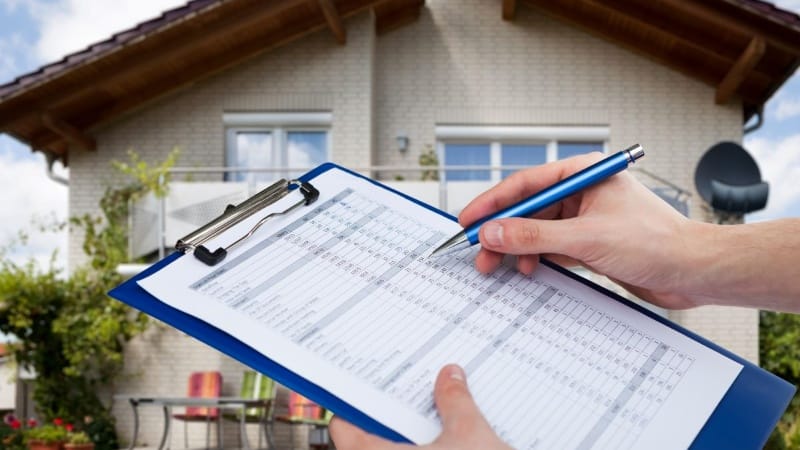
Navigating the home-buying or selling process can feel like a rollercoaster, with excitement and anxiety in equal measure. One crucial step that often gets overlooked in the rush is a thorough home inspection. This process can uncover hidden issues that save you from costly repairs or unexpected headaches down the road. Whether you’re a first-time buyer, a seller preparing to list, or a homeowner maintaining your property, understanding how an inspection protects your investment is essential. In this guide, we’ll explore how a home inspector Denver can help you avoid financial pitfalls, drawing from common concerns shared in online discussions. The importance of home inspection lies in its ability to identify issues that could drain your wallet if left unaddressed. By catching problems early, you can negotiate repairs, adjust purchase prices, or plan maintenance, ultimately saving thousands. A home inspection is a small upfront cost—typically $350-$600 for a standard single-family home—that can prevent much larger expenses. For buyers, it reveals defects that could lead to repair bills, like a failing roof ($6,000-$15,000) or foundation issues ($5,000-$20,000). Sellers can fix problems before listing to avoid price reductions. Homeowners use inspections to prioritize maintenance, extending the life of key systems. Without this step, you risk surprises like water damage or electrical hazards that could cost tens of thousands to remedy. A detailed report from a home inspector Denver empowers buyers to negotiate with sellers. For example, if the inspection uncovers a cracked foundation, you might request repairs or a lower price to cover costs. Sellers can use findings to address issues proactively, making their home more competitive. In competitive markets, where buyers might waive contingencies, an inspection provides leverage to ensure the property is sound. Regular inspections, even for homeowners not planning to sell, can catch minor issues before they escalate. For instance, identifying a small roof leak early ($500-$1,000 to fix) prevents water damage that could cost $5,000 or more. A home inspector Denver can also recommend energy-efficient upgrades, like better insulation, to reduce utility bills over time. A professional home inspections company evaluates a property’s major components to ensure safety, functionality, and durability. Understanding these focus areas helps you appreciate the value of their findings. The foundation, walls, and roof structure are the backbone of any home. Inspectors check for cracks, settling, or signs of water intrusion that could compromise stability. In areas with freeze-thaw cycles or rocky soil, foundation shifts are a common concern. Beams, joists, and load-bearing walls are examined for rot, pest damage, or improper modifications. Structural repairs are among the costliest, so early detection is critical. The exterior shields the home from weather and environmental stress. Siding, windows, and doors are assessed for damage, leaks, or poor sealing. Proper grading ensures water flows away from the foundation, preventing flooding. Decks, porches, and fences are checked for stability and code compliance. In high-altitude or dry climates, a home inspector Denver might note UV damage to siding or cracked window seals, which can reduce energy efficiency. The roof faces constant exposure to the elements. Inspectors evaluate shingles, tiles, or metal for wear, missing pieces, or improper installation. Flashing around chimneys and vents is checked to prevent leaks. Attics are inspected for insulation, ventilation, and signs of pests or mold. Poor ventilation can cause heat loss or moisture buildup, leading to higher energy costs or structural damage. Roof replacements are a major expense, often $6,000-$15,000, so knowing its condition is key. Pipes, fixtures, and water heaters are tested for leaks, pressure, and functionality. Outdated materials like galvanized steel or polybutylene pipes are flagged due to corrosion risks. Drainage systems, including sump pumps, are evaluated, especially in areas prone to heavy rain or snowmelt. Slow drains or improper venting can signal clogs or health hazards, which a home inspector can identify early. Electrical safety is a top priority. Inspectors check panels, wiring, and outlets for code compliance and hazards like overloaded circuits or ungrounded outlets. Older homes may have outdated systems, such as knob-and-tube wiring, which can’t handle modern appliances. GFCI protection in bathrooms and kitchens is verified, along with smoke detectors. Upgrading electrical systems can cost $2,000-$5,000, but it’s often necessary for safety. Heating, ventilation, and air conditioning systems are tested for performance and efficiency. Furnaces, AC units, ductwork, and thermostats are checked, with attention to filters and energy loss. In colder or high-altitude regions, inspectors focus on insulation and heating efficiency. Replacing an HVAC system can cost $7,000-$12,000, so identifying issues early helps budget for repairs or upgrades. Knowing how a home inspection unfolds helps you prepare and maximize its financial benefits. Schedule the inspection when utilities are active to allow full system testing. Clear access to attics, basements, and electrical panels. Provide any known property history, like recent repairs or renovations. Attending the inspection lets you ask questions and observe findings firsthand. Costs vary by home size and complexity, but a standard inspection averages $350-$600. The process typically takes 2-4 hours, starting with an exterior walkthrough before moving indoors. Inspectors use tools like moisture meters or thermal cameras for non-invasive checks. They document findings with photos and notes, often explaining issues on the spot. You can point out concerns, like unusual noises or stains, to ensure they’re addressed. A professional home inspections company ensures a thorough evaluation, covering all major systems.The Financial Benefits of a Home Inspection
Why Inspections Are a Smart Investment
How Inspections Influence Negotiations
Long-Term Savings Through Maintenance
What Inspectors Look For
Structural Integrity
Exterior Components
Roofing and Attic
Plumbing Systems
Electrical Systems
HVAC Systems
The Inspection Process: Step-by-Step
Preparing for the Inspection
During the Inspection
_1770707846763.jpg?alt=media&token=ff576560-d36d-4fcb-ae82-3f571eee94e3)