

How to Choose the Right Water Tank Size for Your Home
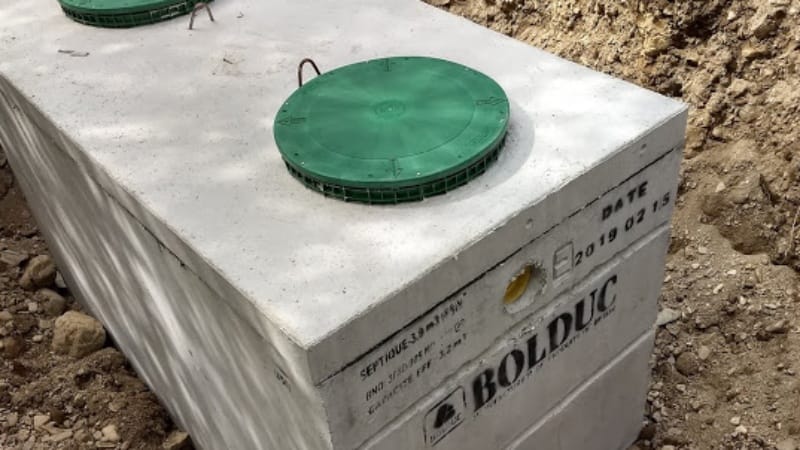
Water is one of the most essential resources in our daily lives. Whether it’s for drinking, cooking, cleaning, or gardening, ensuring a steady and reliable supply of water is crucial for any household. One of the key factors in maintaining this supply is choosing the right water tank size. Selecting a tank that is too small may result in frequent shortages, while a tank that is unnecessarily large could be a waste of space and money. In this guide, we will explore the factors you need to consider to make an informed decision about your home water tank. The first step in choosing a water tank size is understanding how much water your household uses on a daily basis. Water consumption can vary widely depending on the number of people in your home, lifestyle habits, and the appliances or fixtures you use. For example, a family of four will require a larger water tank compared to a single resident, simply due to increased demand. To estimate your water needs, consider all the activities that consume water in your home, such as bathing, cooking, laundry, gardening, and cleaning. Keep in mind seasonal variations as well—gardening and cooling systems might increase water consumption during hotter months. By calculating your average daily water usage, you can start narrowing down suitable tank sizes. Water tanks come in various materials and shapes, each with advantages and disadvantages. The most common types include: Plastic Tanks: Lightweight, affordable, and resistant to rust. They are ideal for most residential purposes and are easy to install. Steel Tanks: Durable and long-lasting, but may require additional maintenance to prevent rusting, especially if exposed to the elements. Concrete Tanks: Extremely sturdy and ideal for large-scale storage, but can be more expensive and difficult to install. Fiberglass Tanks: Resistant to corrosion and lightweight, but costlier than plastic options. Choosing the right material is important, but equally critical is determining the tank capacity that will meet your household’s needs. Several key factors influence the ideal water tank size for your home: Household Size: More residents naturally require a larger tank to ensure a consistent supply. Water Usage Patterns: Homes with higher water consumption, such as those with multiple bathrooms or gardens, will need a bigger tank. Supply Reliability: If your water supply is intermittent, a larger tank will help store enough water to last during shortages. Available Space: The physical space where the tank will be installed can limit your options. Budget: Larger tanks generally cost more, so it’s important to balance capacity needs with financial considerations. By evaluating these factors, you can determine a tank size that is practical, efficient, and cost-effective. Once you have assessed your water needs and considered the factors above, it’s time to calculate the appropriate tank size. There are general guidelines, such as allocating approximately 100 liters per person per day for basic household use. However, more precise calculations can take into account daily routines, appliance usage, and storage requirements. For example, a family of four might require 400 liters per day. If you want a tank that can store a week’s supply, you would need a tank with a capacity of around 2,800 liters. It’s important to add a safety margin to accommodate unexpected usage or emergencies. Tools like a septic tank size calculator can also help in estimating the correct capacity for your tank, especially if your water system is linked to waste management or septic systems. These calculators take into account the number of residents, daily water usage, and the number of bathrooms, providing a tailored recommendation for your household. Choosing the right water tank size is only part of the equation. Proper installation is critical to ensure efficient operation and longevity. Make sure your tank is placed on a stable, level surface and is adequately supported if elevated. Installing a water pump may also be necessary for larger tanks to ensure sufficient water pressure throughout your home. Regular maintenance is equally important. Clean the tank periodically to prevent algae, bacteria, or sediment buildup. Check for leaks, rust, or cracks, and ensure that inlet and outlet pipes are functioning properly. A well-maintained water tank not only prolongs its life but also ensures safe and clean water for your household. Selecting the correct water tank size brings several benefits: Reliable Water Supply: Avoid running out of water during peak demand or supply interruptions. Cost Efficiency: Prevent overspending on larger-than-necessary tanks. Health and Safety: Proper storage reduces the risk of contamination and ensures clean water. Sustainable Usage: Avoid wastage by storing only what you need, promoting environmentally responsible consumption. Choosing the right water tank size for your home is an important decision that affects your daily life, comfort, and water security. By understanding your water needs, evaluating different types of tanks, calculating the ideal capacity, and considering installation and maintenance, you can make an informed choice that benefits both your household and your budget. A well-sized water tank ensures a consistent, safe, and efficient water supply, allowing you to enjoy peace of mind every day.Understanding Your Water Needs
Types of Water Tanks
Factors Affecting Tank Size
Calculating the Right Tank Size
Installation and Maintenance Considerations
Benefits of the Right Water Tank Size
Conclusion