

IoT in Warehouse Management: Driving Predictive Operations
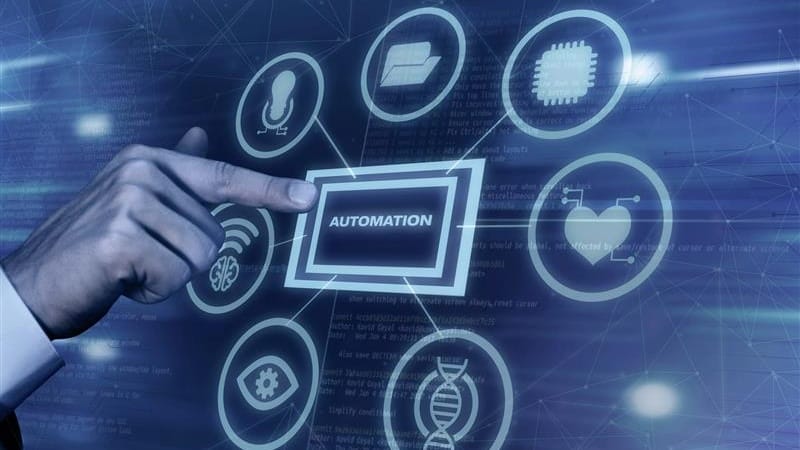
Warehouses are evolving from storage spaces into smart, connected ecosystems. Sensors, gateways, and data streams now give managers real time awareness of stock, equipment, and workforce conditions. IoT in Warehouse Management changes how decisions are made. It anticipates maintenance before breakdowns, balances workloads automatically, and protects workers with live alerts. When these systems are tied into warehouse management system software for small business, predictive control becomes practical, not theoretical.
Key Challenges in Warehouse Management Without IoT
Poor Visibility Into Inventory Movement
Manual scanning cannot keep up with continuous movement. Misplaced pallets delay shipments and increase carrying costs.
High Operational Errors and Inaccurate Stock Data
Without constant tracking, reconciliations take hours and errors multiply across orders and reports.
Inefficient Space Utilization and Route Planning
Static layouts ignore seasonality and order patterns. Workers walk farther, and forklifts waste fuel and time.
Equipment Downtime and Unexpected Failures
Maintenance happens reactively. When a lift or conveyor stops, the entire line waits.
Safety Risks for Workers and Assets
Blind spots, overloading, and unstable temperature zones raise injury and spoilage risks.
Core IoT Technologies Transforming Warehouse Management
RFID Tags and Smart Labels
Tagging pallets and bins automates check‑in and check‑out. Antennas capture movement without manual scans, ensuring precise inventory visibility.
Connected Sensors for Equipment and Environment Monitoring
Temperature, vibration, and humidity sensors maintain compliance for perishables and signal early wear in critical machines.
BLE Beacons and GPS Tracking Devices
Beacons locate tools, forklifts, and shipments within meters. GPS handles yard and in‑transit visibility across facilities.
Smart Gateways and IoT Hubs
Gateways aggregate sensor data, convert protocols, and stream it securely to cloud dashboards and analytics engines.
AI + IoT Integration for Predictive Insights
Machine learning models read sensor trends to predict failures, recommend maintenance windows, and optimize energy use.
IoT‑Driven Predictive Operations in the Warehouse
Predictive Maintenance for Material Handling Equipment
Vibration sensors and motor current analytics spot bearing wear or hydraulic leaks before downtime hits.
Forecasting Inventory Needs and Replenishments
IoT data feeds demand algorithms that reorder precisely when thresholds cross, balancing capital and service levels.
Intelligent Slotting and Storage Optimization
Heat maps of movement identify congested areas. The system reassigns slots for high‑velocity SKUs closer to pack stations.
Predictive Workflow Scheduling
Sensor data predicts order spikes, prompting automated labor and equipment allocation for upcoming shifts.
Machine Learning for Operational Optimization
Algorithms combine historical order data with live telemetry to fine tune routes, reduce idle time, and raise throughput.
Enhancing Warehouse Safety with IoT
Wearable Devices for Worker Safety
Smart vests track fatigue, posture, and proximity to moving vehicles. Alerts prevent collisions and strain injuries.
Collision Avoidance Systems for Forklifts
Ultrasonic sensors and LiDAR create safety bubbles around equipment. Operators receive instant warnings when paths intersect.
Environmental Monitoring for Sensitive Goods
Cold chain zones use IoT thermometers to log and alert when temperature or humidity deviate from set ranges.
Smart Surveillance and Access Control
Connected cameras and RFID badges ensure only authorized staff enter restricted areas. Events log automatically for audits.
Emergency Alerts and Automated Safety Protocols
Smoke, fire, or gas sensors trigger coordinated evacuation alerts across lights, sirens, and mobile apps.
IoT for Cost Efficiency and Operational Optimization
Reduced Inventory Carrying Costs
Accurate real‑time data means fewer safety stock buffers and better rotation of perishable goods.
Lower Equipment Maintenance and Repair Costs
Predictive servicing extends asset life and minimizes emergency technician calls.
Energy Efficiency Through Smart Lighting and HVAC
Motion and occupancy sensors dim lights and adjust airflow based on activity, cutting utility bills.
Minimized Labor Costs Through Automation
Robotic carts and guided pick paths reduce manual travel and errors, letting staff handle more orders per shift.
Increased Accuracy Leading to Fewer Returns and Replacements
Precise tracking lowers mis‑shipments, saving freight and customer support time. Barcode, RFID, and sensor confirmation at pick and pack validate the right SKU, lot, and quantity before a box leaves the floor. Real time checks against orders and rules catch mismatches, expired goods, and mislabels at the station, not at the customer.
Conclusion
The warehouse of the future is responsive, connected, and predictive. IoT in Warehouse Management brings that vision to life by merging sensors, analytics, and automation into everyday workflows. For small and midsized businesses, coupling IoT capabilities with warehouse management system software for small business unlocks visibility, reduces waste, and keeps workers safe. Start small—track energy use, monitor equipment, or tag high‑value goods—then expand as ROI appears. The outcome is a warehouse that senses, learns, and improves every single day. Get in touch with the best logistics software development company to get the best transportation software development services.
To turn this vision into measurable results, start with one high‑impact use case such as temperature compliance, forklift uptime, or high‑value SKU tracking. Set clear 90 day targets for inventory accuracy, pick error rate, downtime, and energy consumption, then connect a small kit of sensors to your existing WMS through secure APIs. Run a short shadow period where the system observes and learns, switch on alerts in a single zone, and hold weekly reviews that highlight three actions per role. Capture what works in simple playbooks, align training to those steps, and expand site by site. With this cadence, IoT in Warehouse Management moves from pilot to habit, and your warehouse management system software for small business becomes the control room that keeps cost, safety, and service moving in the right direction.
_1770707846763.jpg?alt=media&token=ff576560-d36d-4fcb-ae82-3f571eee94e3)