

Latest Advancements in Marine Hydraulic Systems
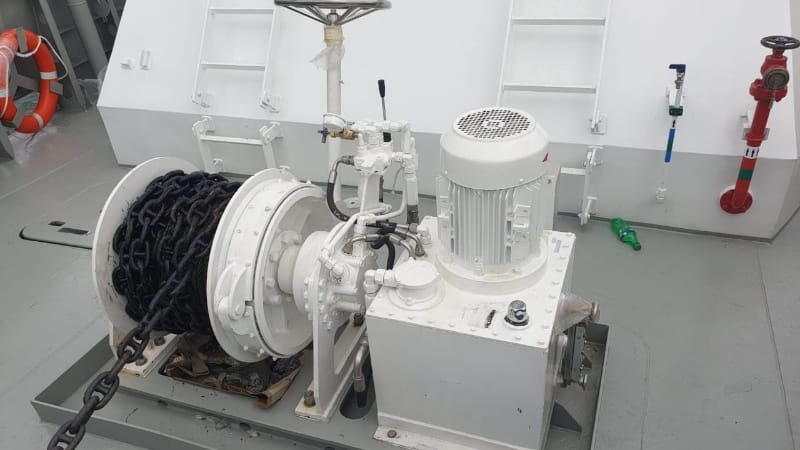
Marine hydraulic systems are the backbone of almost every heavy-duty operation on a ship. Whether it's lifting cargo, maneuvering the steering gear, operating cranes, winches, or running deck machinery, hydraulics make everything smoother, safer, and more reliable. And with India’s shipping and offshore industry growing rapidly, shipowners today are demanding modern, energy-efficient, and smarter hydraulic solutions.
According to maritime reports, over 65% of Indian cargo and offshore vessels have upgraded at least one hydraulic system since 2022. With stricter Class approvals, MMD inspections, and rising operational costs, 2025 will see even faster adoption of advanced hydraulic technologies.
So, let’s break down the latest advancements that are transforming marine hydraulic systems used on Indian vessels—as simply and clearly as possible.
System Architecture Evolution: Smarter, Faster & More Reliable
Traditional hydraulic setups are gradually being replaced with smarter electro-hydraulic systems (EHA) that combine hydraulic power with electronic precision.
✅ Open-loop vs. Closed-loop Circuits
Open-loop systems are still common in cargo vessels for general operations.
Closed-loop systems, however, offer faster response and better efficiency—ideal for offshore and high-demand vessels.
✅ Distributed Hydraulic Systems
These reduce long hose runs and leakage points and improve reliability—an important factor for Indian coastal vessels, which often operate in corrosive environments.
Indian shipyards are increasingly switching to EHA-based solutions to reduce downtime and maintenance costs.
Energy-Efficient Hydraulics: Lower Fuel, Lower Cost
Fuel accounts for nearly 55–60% of a vessel’s operating cost. That’s why modern hydraulic systems now focus heavily on energy savings.
✅ Variable Speed Drive (VSD) Pumps
These pumps only consume power when required. This leads to up to 20–25% reduction in energy usage on winches, cranes, and hatch covers.
✅ Load-Sensing Hydraulic Pumps
These pumps adjust pressure & flow based on the actual load. This prevents wastage and reduces heat generation.
✅ Regenerative Hydraulic Circuits
These store and reuse energy during lowering or reverse operations—very useful for offshore cranes and AHC (Active Heave Compensation) systems.
If you consult a top marine hydraulics supplier in India, they will always recommend energy-saving pump systems because ROI is usually achieved within 12–18 months.
Smart Digital Controls: Hydraulics + Automation = Perfect Combination
Gone are the days of manual control levers. Today’s vessels use digitally controlled hydraulic systems for more precision and safety.
✅ PLC / SCADA Integration
Modern deck and engine-room machinery now connects to PLC-based control systems for:
Remote operation
Auto diagnostics
Real-time monitoring
✅ CAN-Bus & Profinet Communication
This makes modern hydraulics more accurate and responsive, especially for tasks like tension control, crane movements, and steering operations.
✅ IoT Monitoring
Shipowners now track hydraulic pressure, oil condition, flow rate, and leakages through IoT dashboards.
In fact, early detection via IoT monitoring reduces hydraulic failures by nearly 40%.
Predictive Maintenance & Condition Monitoring
Predictive maintenance is one of the biggest advancements in the marine industry.
✅ Advanced Sensors Used Today
Pressure ripple sensors
Temperature & humidity sensors
Particle counters for oil contamination
Vibration & acoustic sensors
These help engineers detect issues before they become breakdowns.
✅ AI-Based Analytics
Some modern Indian offshore vessels now use AI dashboards that forecast:
Seal wear
Pump failure
Oil degradation
Valve response delays
Since contamination is the cause of almost 70% of hydraulic system failures, predictive tools are a game-changer.
Green Hydraulic Fluids & Better Filtration Systems
Environmental compliance is now a priority for shipping companies.
✅ Biodegradable Hydraulic Fluids (HEES & HEPR)
These oils reduce environmental damage in case of leaks. They are now preferred for:
Offshore support vessels
Dredgers
Coastal vessels
✅ Advanced Filtration Technologies
High β-ratio elements
Offline kidney-loop filtration
Water-absorbing filters
Modern filtration extends oil life by 2–3 times, reducing maintenance costs drastically.
Safety, Redundancy & Class-Approved Designs
Modern vessels require hydraulic systems that meet Class approvals like IRS, DNV, ABS, BV, and LR.
✅ Redundancy in Steering Gear
Dual-pump and dual-cylinder arrangements ensure no single point of failure.
✅ Accumulators for Emergency Actuation
These provide quick responses during:
Steering failure
Fire emergency
Power shutdown
✅ Fail-safe Valves & Emergency Stops
Indian ports today demand stricter safety checks, so modern hydraulic packages come with built-in safety interlocks.
Any professional marine hydraulics supplier in India will always confirm Class compliance before installation.
Advanced Hydraulic Cylinders & Actuators
Hydraulic cylinders are seeing massive improvements in performance and durability.
✅ New Advancements
Ceramic-coated rods to prevent corrosion
HVOF coatings for offshore harsh conditions
Integrated LVDT sensors for position feedback
Long-life seals to extend overhaul intervals
Cylinders with advanced coatings reduce rust by up to 60–70%, a huge advantage in Indian tropical waters.
High-Performance Valves & Modular Manifolds
Modern hydraulic systems focus on reducing leaks and simplifying maintenance.
✅ Cartridge Valve Manifolds
Fewer leak points, compact design, easy replacement.
✅ Proportional Control Valves
These provide super-precise movements for:
AHC winches
ROV systems
Deck cranes
✅ ATEX & IECEx Valves
Required for hazardous areas like pump rooms and offshore platforms.
These advancements also help Indian vessels comply with upcoming safety norms.
Steering Gear: Electro-Hydraulic Upgrades
Steering gear systems now use advanced technology for smoother and safer navigation.
Key upgrades include:
Follow-Up (FU) & Non-Follow-Up (NFU) controls
Power-assisted steering
Auto-feedback integration with gyro compass
Redundant hydraulic systems
Modern steering systems reduce response time by 25–30%, improving manoeuvrability in tight ports.
Winches, Windlass & Mooring – Now Even Smarter
Cargo and offshore vessels use heavy deck machinery that depends heavily on hydraulics.
✅ New-age Features
Constant Tension control
Active Heave Compensation (AHC)
Auto pay-in/pay-out systems
High-torque hydraulic motors
These systems reduce mechanical shock, improving rope life and ensuring safer operations.
Hydraulic Cranes & Deck Machinery
Marine cranes now use:
Proportional joystick controls
Anti-two-block safety systems
Overload protection
Electronic load monitoring
Indian offshore operators prefer electro-hydraulic cranes because they reduce manual effort and boost productivity by 20–25%.
Subsea & Offshore-Specific Hydraulic Innovations
ROVs, subsea tools, and offshore platforms now require specialised hydraulics such as:
High-pressure HPU skids
Depth-compensated cylinders
Corrosion-resistant valves
Heavy-duty umbilicals
These advancements ensure reliability in extremely harsh marine conditions.
Retrofitting Legacy Indian Vessels – A Huge Trend in 2025
Retrofitting is more cost-effective than buying new equipment.
A retrofit usually includes:
New pump systems
Updated valve blocks
Fresh P&IDs
Digital control upgrades
Replacing corroded cylinders
New filtration systems
Retrofitting can extend vessel life by 8–10 years.
Conclusion
The marine hydraulic industry is going through a major transformation. From energy-efficient pumps to predictive monitoring, digital controls, and eco-friendly fluids—today’s hydraulic systems are safer, smarter, and more powerful.
Whether you're running an Indian cargo vessel, dredger, tug, OSV or coastal ship, upgrading your hydraulic systems will help you reduce downtime, improve safety, and stay compliant with Class rules.
And when you partner with an experienced marine hydraulics supplier in India, you get the right combination of modern technology, quick service, and reliable support—ensuring your vessel stays future-ready for 2025 and beyond.