

Learn About Real Turquoise Stone: Essentials for Collectors
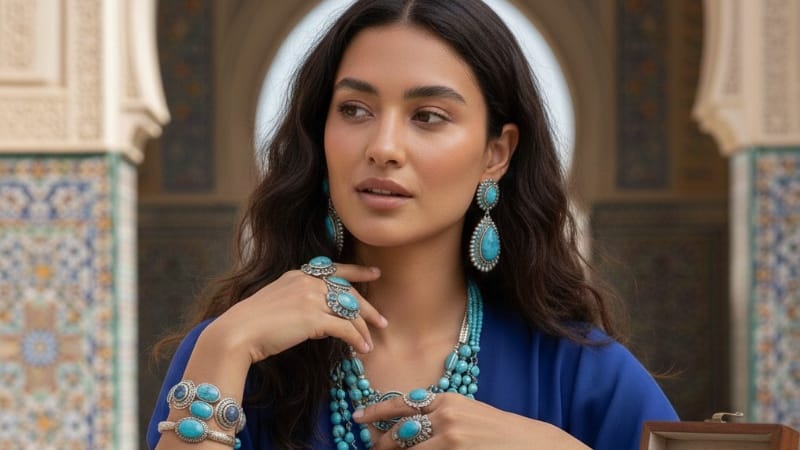
Collectors of turquoise stones have been drawn to this gemstone for many centuries because of its unique color and significance. Most collectors begin their journey with an interest in learning how a real turquoise stone differs from artificial stones. This article will provide collectors with an understanding of authenticity, quality, and smart buying techniques.
Introduction to Turquoise and Its Legacy
In the early days, many civilizations were drawn to turquoise stones because of their beauty and significance. This gemstone was used to create jewelry, talismans, and ceremonial objects. Even today, collectors are drawn to the unique blue-green color of natural turquoise stones. Collectors interested in learning more about real turquoise stones will find that an understanding of how they are created by nature will give them a greater appreciation for this unique gemstone.
How Turquoise Forms in Nature
A real turquoise stone is created by water reacting with copper minerals, which only occurs under unique conditions. This process occurs naturally over millions of years, allowing each region to create unique colors of turquoise stones. Collectors of real turquoise stones will find that arid climates are where the finest stones are created, as they are naturally unique.
Real Turquoise Stone Grading Factors
Grading gives collectors a way to judge quality and set a price. Sky blue stones with strong, even color usually cost the most. Dense pieces survive wear in rings plus bracelets - they rank next in value. Dark veins running through the stone or their complete absence, appeal to different buyers - beauty rests in the eye of the owner. Anyone who learns the grading rules pays a fair price and picks stones matched to purpose.
Famous Turquoise Mining Regions
Certain places have names collectors repeat like a shorthand - iranian tunnels yield clear, clean robin egg blue with almost no black lines. Across the American Southwest, shafts send up chunks shot through with coffee brown spider-webbing but also greens touched by desert rock. Chinese quarries pour out everything from pale chalk to deep navy, low grade chalk to gem rock. Each tract stamps its signature on the market and many collectors hunt only one address.
Gemstones for Sale - What Collectors Should Check
Before money changes hands, question the seller - Was the stone soaked in plastic, hit with dye, baked with resin or left alone? Untreated rock costs more. Look for sharp close up photos - if the picture hides flaws, demand clearer views. Reputable dealers state origin, list enhancements as well as answer follow up messages - they survive - shipping stone that matches the image on the screen.
Treatments and Enhancements Explained
Many sellers soak turquoise in plastic resin so the once crumbling stone will not crack when handled. Others dip or boil the rock in dye - the color becomes brighter but the stone is no longer natural. Ask the seller to state, in plain words, every step taken after the rock left the ground. A bill of sale that lists those steps shields the buyer and keeps the wider trade reliable. When you know what was done, you can decide whether you want a low cost dyed piece or an untreated, higher priced one.
Mid-Guide Buying Insight
Collectors widen their search - watching Tucson warehouse shows, online rock shops plus small town estate sales. While tracking turquoise, some note where to buy rhodochrosite. Seeing how each channel handles invoices, return terms and lab sheets trains the eye to judge any gem. The habit is neutral - it simply shows who is careful but also who is not.
Real Turquoise Stone in Jewelry and Art
Jewelers cut the rock into low domed ovals or fit tiny rectangles side by side so the black veins form running lines. The finished silver bracelet or belt buckle feels cool at first then warms against the skin. Buyers who look at the back of a piece - checking for smooth bezels, tight saw work or even polish - see the difference between a hurried factory job and a bench piece built to last.
Common Errors People Make When They Start Collecting
Beginners often pick a stone because the shade pleases them and pay no heed to the matrix or to any dye, wax or plastic that may hide inside. Some hand over money after a five minute glance at a phone screen, never asking who is selling or where the piece was mined. Others pay turquoise prices for howlite or magnesite that has been soaked in blue dye. Reading a field guide, visiting a lapidary club or simply holding a known genuine piece under a loupe prevents such losses. Seasoned buyers add one or two pieces a year, each chosen after study plus comparison.
What the Market Wants Now
Natural turquoise that has not been dyed, stabilized or reconstructed is sought by more buyers each year. Mines close or yield less - rough becomes scarcer and finished stones climb in price. Dealers who show a bill of sale from the miner, the name of the claim but also the date of extraction now command higher bids. Jewelers and collectors also ask whether the miner's camp pays a fair wage as well as fills the pit after extraction. A buyer who tracks those facts before spending is less likely to overpay or to support sloppy practice.
Last Word - Assemble a Collection That Holds Value
Turquoise rewards the slow student - learn to read the waxy luster of untreated stone, the spider web pattern of Lone Mountain and the butter smooth feel of a high polish. Buy from vendors who stand behind their labels, store the pieces in cloth or keep them away from solvents and ultrasonic cleaners. A cabinet built this way will hold beauty now next to market value later.