

Minimally Invasive Spine Surgery Scoliosis
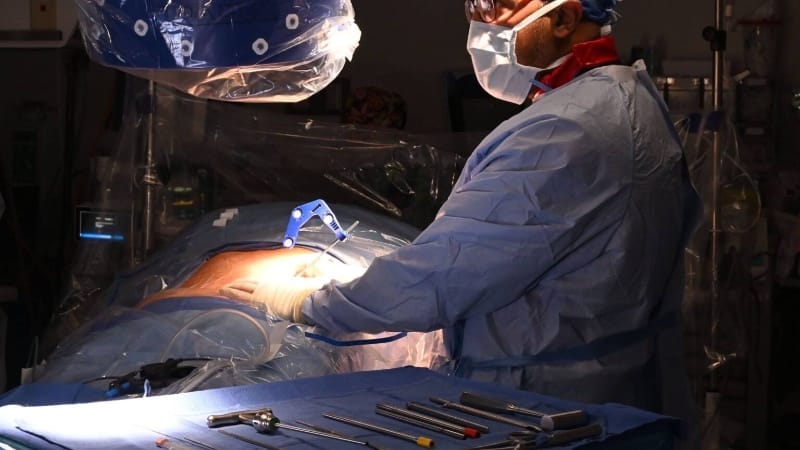
Scoliosis, a condition characterized by an abnormal sideways curvature of the spine, affects millions of people worldwide. For many, it’s more than a cosmetic concern—it can lead to chronic pain, reduced mobility, and diminished quality of life. Historically, treatment options were limited to bracing for mild to moderate cases and, in severe instances, traditional open surgery. However, the landscape of scoliosis treatment is evolving rapidly, thanks to minimally invasive spine surgery (MISS). This innovative approach is revolutionizing care, offering patients faster recoveries, reduced risks, and improved outcomes.
Understanding Scoliosis and Traditional Treatments
Scoliosis is a spinal deformity that affects approximately 2–3% of the population in the United States alone. While some cases are mild and require only periodic monitoring, others involve progressive curvature that can compress organs, distort posture, and cause significant discomfort. Traditionally, treatment has hinged on two main options:
- Bracing: For adolescents with moderate curves (10–45 degrees) who are still growing, orthotic braces can prevent worsening. However, bracing doesn’t reverse the curve and offers no solution for adults with advanced scoliosis.
- Open Spine Surgery: For severe cases (typically curves exceeding 45–50 degrees), traditional surgery has been the standard. This approach involves large incisions, extensive muscle dissection, and the use of metal rods and screws to realign the spine. While effective, it’s associated with significant blood loss, lengthy hospital stays, and prolonged recovery periods.
But what if patients could achieve similar or better results with less invasion and downtime? Enter minimally invasive spine surgery (MISS).
What Is Minimally Invasive Spine Surgery?
Minimally invasive spine surgery is a modern technique that uses specialized tools, advanced imaging, and smaller incisions to correct spinal deformities like scoliosis. Unlike traditional open surgery, which requires a wide incision and muscle dissection, MISS spares tissues by accessing the spine through tiny portals—often less than 2 centimeters in size. This reduces trauma to the body and accelerates healing.
The core principles of MISS include:
- Small incisions: Typically 1–3 inches instead of 6–12 inches.
- Preservation of soft tissues: Muscles and nerves are moved aside rather than cut.
- Real-time imaging: Fluoroscopy or 3D imaging guides the surgeon’s precision.
- Use of tubular retractors: These tools allow access to the spine while maintaining muscle alignment.
Techniques in MISS for Scoliosis
Several minimally invasive techniques are now used to treat scoliosis, each tailored to the patient’s specific curve pattern and anatomy. Key approaches include:
- Thoracoscopic Surgery:
For thoracic (mid-back) curves, surgeons insert a thoracoscope—a tiny camera and surgical tools—through small incisions between the ribs. The camera provides a clear view of the spine, allowing the surgeon to perform spinal fusion and instrumentation with minimal tissue disruption. - Laparoscopic Surgery:
For lumbar scoliosis, a laparoscope is inserted through the abdomen to access the lower spine. This avoids cutting through the back muscles and is often used for lumbar spinal fusions. - Robotic-Assisted MISS:
Robotic systems enhance precision, enabling surgeons to place screws and rods with pinpoint accuracy. These systems integrate preoperative imaging with real-time feedback, reducing the risk of complications. - Expandable Rods and Growing Rods:
For children with early-onset scoliosis, minimally invasive options like expandable rods allow surgeons to correct the curve and delay the need for fusion until the child is older.
Benefits and Risks of MISS for Scoliosis
The appeal of MISS lies in its numerous advantages over traditional surgery:
- Faster recovery: Patients often leave the hospital within 1–3 days (vs. 5–7 days for open surgery).
- Less blood loss: Reduced tissue damage means lower transfusion risks.
- Smaller scars: Aesthetically pleasing outcomes, especially for younger patients.
- Lower infection rates: Smaller incisions and less tissue exposure reduce infection risks.
- Decreased postoperative pain: Patients often require fewer pain medications.
However, MISS isn’t a one-size-fits-all solution. It requires specialized expertise, and not all hospitals or surgeons offer it. Additionally, severe or complex curves may still necessitate traditional open surgery. Risks, though rare, include nerve damage, misplaced implants, or incomplete correction.
Who Is a Candidate for MISS?
Ideal candidates for minimally invasive scoliosis surgery typically have:
- Adolescent idiopathic scoliosis (AIS) with curves in the 50–70-degree range.
- Stable curves that aren’t rapidly progressing.
- Sufficient spinal flexibility to allow correction through MISS techniques.
- No major comorbidities that could complicate recovery (e.g., severe osteoporosis or advanced joint disease).
Patients should consult with a spine specialist to determine if MISS is appropriate. Surgeons also consider factors like body habitus (size and shape) and the specific curve pattern to decide whether MISS or traditional surgery offers the best outcome.
Evidence Supporting MISS: Outcomes and Success Rates
Research on MISS for scoliosis is promising. A 2022 study published in The Spine Journal found that patients undergoing thoracoscopic surgery for scoliosis experienced correction rates comparable to open surgery but with 70% less blood loss and 40% shorter hospital stays. Another review in Journal of Neurosurgery: Spine noted that robotic-assisted MISS reduced screw misplacement rates to less than 2%, a critical factor in avoiding neurological complications.
Long-term studies are still emerging, but early data suggest that MISS provides durable correction with lower complication rates. For many patients, especially adolescents and young adults, the benefits of quicker return to daily activities and reduced surgical risks make it an attractive option.
The Future of Minimally Invasive Scoliosis Surgery
The field is advancing rapidly. Emerging technologies are poised to enhance MISS even further:
- AI-driven surgical planning: Machine learning algorithms can simulate outcomes and optimize surgical approaches.
- Biologics and regenerative medicine: Growth factors or stem cell therapies may aid in spinal fusion and nerve regeneration.
- Personalized implants: 3D-printed rods and screws tailored to a patient’s anatomy could improve precision.
- Minimally invasive revision surgery: Techniques for correcting failed fusions or progressive curves are under development.
These innovations may one day eliminate the need for traditional open surgery altogether.
Final Thoughts: Embracing the New Era of Scoliosis Care
Minimally invasive spine surgery scoliosis represents a paradigm shift in scoliosis treatment. For decades, surgery meant extended recovery, significant pain, and visible scars. Now, patients are walking out of the hospital in days and returning to their lives in weeks—without sacrificing the effectiveness of treatment.
_1770707846763.jpg?alt=media&token=ff576560-d36d-4fcb-ae82-3f571eee94e3)