

Should You Repair or Scrap Your Old Car?
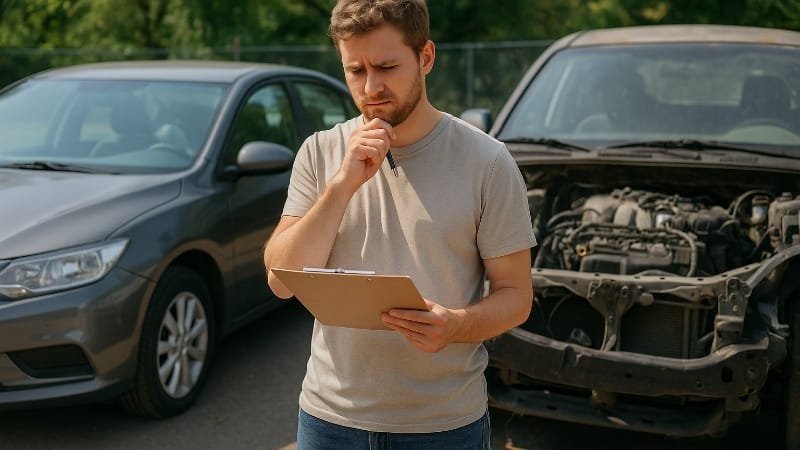
Owning an old car in Australia brings challenges like frequent breakdowns and high maintenance bills. Many drivers reach a point where they must choose between fixing the vehicle or letting it go. This decision affects your wallet, safety, and daily life. Factors like the car's age, repair costs, and value guide the choice.
The average age of passenger vehicles in Australia stands at 11.4 years. Vehicles this old often need major work, such as engine repairs or new transmissions. Repairing keeps the car running, but scrapping provides quick cash and frees up space. Weigh both options based on your situation.
Signs show when a car nears the end. Frequent breakdowns, rust damage, or failing safety features signal trouble. In Australia, roadworthy certificates require vehicles to meet standards, and old cars struggle to pass. Scrapping avoids ongoing issues.
Repair costs add up fast. Basic services like oil changes cost $200 to $400 each year. More complex fixes, like brake replacements, range from $250 to $600. If repairs exceed the car's value, scrapping makes sense.
Many Australians face this choice amid rising living costs. 60% of vehicle owners have changed maintenance habits due to economic pressures. Delaying fixes leads to bigger problems later.
In such cases, services like A1 Wreckers stand out. They handle old car disposals smoothly, paying cash on the spot and managing paperwork. As a reliable option in the market, A1 Wreckers ensures parts get recycled properly, helping owners move on without hassle.
Understanding Your Car's Condition
Assess your car's state first. Look for visible wear, such as dents, leaks, or worn tires. Listen for unusual noises during drives, like grinding brakes or engine knocks. These issues point to underlying problems.
Check the odometer. Cars over 200,000 kilometers often require expensive upkeep. In Australia, vehicles average 15,000 kilometers per year, so high mileage means more wear.
Test safety features. Anti-lock Braking System (ABS) and airbags must work. Faulty systems fail inspections and risk accidents. Professional mechanics spot hidden issues through diagnostics.
Review service history. Regular maintenance extends life, but skipped services shorten it. Gather records to see patterns in repairs.
The Costs Involved in Repairing an Old Car
Repair expenses vary by issue. Minor fixes, like battery replacements, cost $100 to $200. Major ones, such as transmission rebuilds, reach $3,000 to $5,000. Average repair and maintenance costs rose over 25% in the last five years.
Factor in labor. Mechanics charge $100 to $150 per hour in Australia. Complex jobs take days, inflating bills. Parts for older models cost more due to scarcity.
Ongoing costs include registration and insurance. Old cars pay higher premiums if unreliable. Delaying repairs worsens damage, leading to breakdowns.
Consider opportunity costs. Time spent in shops means lost work hours. For alternatives, look into cash for scrap cars sunshine coast options, which provide immediate funds without repair hassles.
Use this table to compare common repair costs:
Benefits of Scrapping Your Old Car
Scrapping turns a burden into cash. Vehicles fetch $300 to $9,000 based on condition and parts. Salvageable items like engines or wheels boost value.
It saves time. No more mechanic visits or part hunts. Professional services pick up the car, handling transport.
Scrapping clears space. Garages or driveways free up for new uses. In urban areas, this reduces clutter.
Financial relief comes quick. Payments happen on collection day, helping fund a replacement vehicle. No loans needed for repairs.
Safety improves. Old cars lack modern features like electronic stability control. Scrapping prevents risks from outdated tech.
How to Make the Decision: Repair vs. Scrap
Compare total costs. Calculate repairs against scrap value. If fixes exceed 50% of the car's worth, scrap it.
Evaluate usage. Daily drivers need reliability. Weekend cars tolerate minor issues.
Consider sentimental value. Family heirlooms might warrant repairs, but practicality often wins.
Get quotes. Mechanics provide repair estimates. Scrap yards offer valuations online or by phone.
Think long-term. Repairs buy time, but problems recur. Scrapping ends cycles of expense.
Use this pros and cons table:
The Scrapping Process in Australia
Start with valuation. Contact buyers for quotes based on make, model, and condition. Provide details like year and damage.
Arrange pickup. Services collect from your location, often free. For areas like scrap car removal logan, same-day options exist.
Handle paperwork. Transfer ownership via state transport authorities. Deregister the vehicle to avoid fees.
Receive payment. Cash or bank transfer happens on the spot. Ensure receipts for records.
Parts get recycled. Metals, plastics, and fluids process sustainably. Australia recycles 70% of vehicle materials.
Follow regulations. Licensed operators comply with environmental laws, preventing illegal dumping.
Environmental Considerations
Old cars harm the environment. They emit more pollutants due to inefficient engines. Leaks from fluids contaminate soil and water.
Repairing extends use but consumes resources. New parts production adds emissions.
Scrapping promotes recycling. It reduces landfill waste and conserves metals. Producing a new car generates up to 35 tonnes of CO2, so reusing parts cuts this.
In Australia, auto recycling lowers the sector's impact. Hazardous materials get handled safely, protecting ecosystems.
Disposal accounts for 5% of a car's lifetime emissions. Proper scrapping minimizes this through efficient processes.
Choose green options. Select recyclers who follow standards, ensuring minimal harm.
Conclusion
Decide on repairing or scrapping by reviewing costs, condition, and needs. Repairs suit minor issues in valued cars. Scrapping fits when expenses outweigh benefits. This choice saves money and reduces stress for Australian drivers.
Explore additional guides in our automotive advice hub.