

Software Making Healthcare Safer, Smarter, and Stress-Free
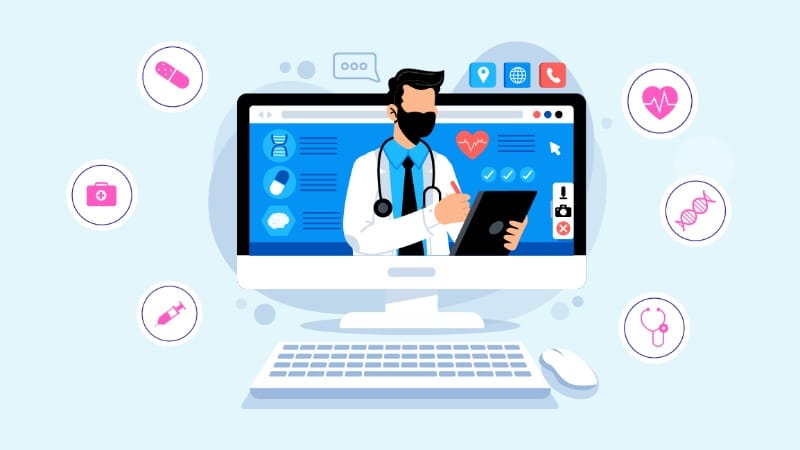
In today’s fast-paced world, healthcare providers face a growing challenge: delivering high-quality care while managing administrative tasks, patient data, and complex workflows. Traditional healthcare systems, often dependent on paper records and manual processes, are prone to errors, delays, and inefficiencies. Fortunately, modern technology is transforming this landscape. Specifically, healthcare software is emerging as a powerful tool that makes healthcare safer, smarter, and less stressful for both patients and providers.
How Healthcare Software Enhances Patient Safety
Patient safety is at the core of medical care. Medical errors, miscommunication, and delays in treatment can have severe consequences. Advanced healthcare software addresses these issues in multiple ways:
1. Reducing Human Errors:Hospital Management System automate many administrative and clinical tasks. From verifying patient details to managing prescriptions, automation ensures that the right care reaches the right patient at the right time, significantly reducing human error.
2. Real-Time Access to Medical Records: Electronic Health Records (EHRs) allow healthcare providers instant access to patient histories, lab results, and ongoing treatments. This real-time access ensures that doctors can make informed decisions without relying on outdated or incomplete information.
3. Automated Alerts and Reminders: Many healthcare software solutions come with automated alerts. These can notify providers of potential drug interactions, upcoming screenings, or abnormal test results, preventing avoidable complications.
By integrating these features, healthcare software significantly improves patient safety, offering a more reliable and secure medical environment.
Making Healthcare Smarter with Data-Driven Insights
Modern healthcare software doesn’t just digitize records—it transforms data into actionable insights. These insights empower providers to deliver smarter, more personalized care:
1. Predictive Analytics: By analyzing historical patient data, software can predict potential health risks. For instance, patients with a history of cardiovascular issues can be closely monitored for early warning signs, allowing for timely intervention.
2. Resource Optimization: Hospitals and clinics often struggle with scheduling, bed management, and equipment allocation. Intelligent software solutions analyze patterns in patient flow and resource use, ensuring optimal allocation and minimizing delays.
3. Personalized Treatment Plans: Smart software tools can recommend treatment options tailored to a patient’s unique medical profile. By considering factors like genetics, lifestyle, and previous medical history, providers can design more effective and individualized care plans.
The result is a healthcare system that is not only reactive but proactive, anticipating problems before they escalate.
Reducing Stress for Healthcare Providers and Patients
Healthcare is inherently stressful. Doctors, nurses, and administrative staff juggle multiple responsibilities, while patients often feel overwhelmed by appointments, procedures, and paperwork. Healthcare software alleviates this stress in several key ways:
1. Streamlined Administrative Work: Appointment scheduling, billing, and insurance claims can be automated, freeing healthcare staff to focus more on patient care rather than paperwork.
2. Improved Communication: Integrated messaging systems within software platforms allow seamless communication among doctors, nurses, and patients. Patients can receive updates, reminders, and follow-up instructions without constant phone calls or visits.
3. Patient Empowerment: Many healthcare applications provide patients with access to their medical records, test results, and educational resources. This transparency fosters a sense of control and confidence in their healthcare journey, reducing anxiety.
By easing the administrative burden and improving communication, healthcare software creates a more harmonious environment for everyone involved.
Key Features of Modern Healthcare Software
Understanding the capabilities of healthcare software can help providers choose the right solutions for their practice. Common features include:
Electronic Health Records (EHRs): Centralized, secure patient data management.
Telemedicine Integration: Virtual consultations that increase accessibility.
Appointment and Billing Management: Automates scheduling and financial processes.
Inventory and Resource Management: Tracks medical supplies and equipment in real time.
Analytics and Reporting: Provides insights into patient outcomes, hospital efficiency, and treatment effectiveness.
Compliance Management: Ensures adherence to healthcare regulations and privacy standards.
These features collectively transform healthcare operations, making them more efficient, safe, and patient-centric.
Challenges and Considerations
While the benefits of healthcare software are substantial, adopting these systems requires careful planning:
Training: Staff must be trained to use the software efficiently. A poorly implemented system can create more stress than it alleviates.
Data Security: Handling sensitive patient information requires robust cybersecurity measures.
Integration: New software should integrate seamlessly with existing systems to avoid workflow disruptions.
By addressing these challenges, healthcare organisations can fully realise the potential of software solutions.
The Future of Healthcare is Digital
The adoption of healthcare software is not just a trend; it is a necessary evolution. With advancements in artificial intelligence, machine learning, and cloud computing, healthcare systems will become increasingly predictive, personalised, and patient-friendly. The goal is clear: to create a healthcare environment that is safer for patients, smarter for providers, and less stressful for all.
For patients, this means timely treatments, reduced medical errors, and greater involvement in their own care. For healthcare professionals, it translates to streamlined operations, better decision-making, and improved job satisfaction.
Conclusion
Healthcare software is revolutionising the medical field by addressing three critical needs: safety, intelligence, and stress reduction. Through real-time data, predictive analytics, and automated processes, these systems reduce errors, optimise resources, and enhance patient experiences. While implementing these solutions comes with challenges, the benefits far outweigh the drawbacks.
In a world where healthcare demands are growing faster than ever, technology provides a solution that keeps both patients and providers at the center of care. By embracing software-driven healthcare, we move closer to a future where medical care is not only efficient but also compassionate, reliable, and stress-free.
_1770707846763.jpg?alt=media&token=ff576560-d36d-4fcb-ae82-3f571eee94e3)