

The Magic and Might of Smart Boards
What is a Smart Board?
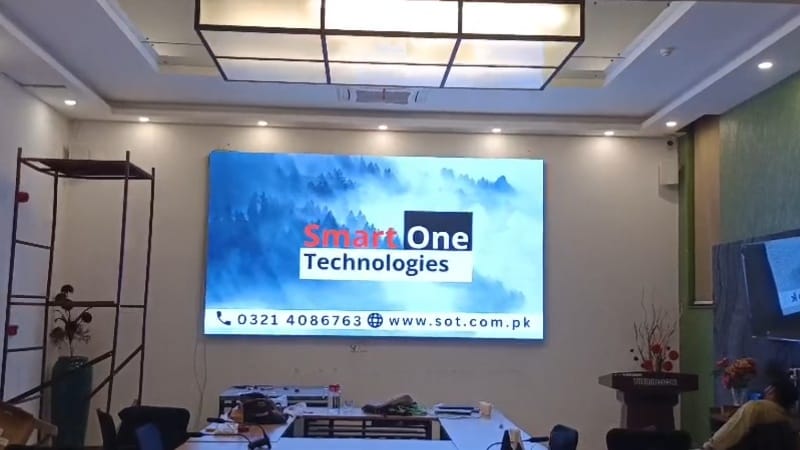
A Smart Board is an interactive digital display that allows users to write, draw, annotate, open applications and explore multimedia content directly on the screen. It works like a giant touchscreen device that responds to both fingers and pens with smooth interaction. Instead of relying on chalk or markers, everything is done digitally on a bright, high-resolution display. This immersive experience not only catches attention but also improves understanding. Unlike traditional boards, Smart Boards allow teachers and presenters to play videos, show diagrams, access online content, and interact with software all on the same surface.
Advanced Features of Modern Smart Boards
Modern Smart Boards are equipped with intelligent tools that enhance both teaching and collaboration. Many boards include built-in Android or Windows systems, allowing users to open applications, browse the internet, and run presentations directly from the board. Artificial intelligence improves the writing experience by recognizing handwriting, correcting shapes, and automatically aligning text. There are also advanced annotation tools that allow users to write over videos, images, and documents without affecting the original content. Wireless screen sharing makes it easy to connect mobiles, tablets, and laptops without cables, while built-in cameras and microphones support online meetings and digital classrooms effortlessly. The ability to record lessons or presentations and save them instantly has become an essential feature for modern institutions.
Types of Smart Boards
Smart Boards come in several types based on the technology they use. Infrared Smart Boards are the most commonly used because they are affordable and provide accurate touch responses. Capacitive Smart Boards, which work like smartphones, offer a smooth touch experience and are highly responsive. Optical bonding boards are becoming very popular because they eliminate the gap between the glass and the display, providing crystal-clear visuals and highly accurate writing. Portable Smart Boards are also available for trainers and professionals who frequently travel for workshops or seminars. Every type is designed to cater to different needs, from classrooms to corporate boardrooms.
Smart Board vs Interactive Whiteboard
Smart Boards and interactive whiteboards may seem similar, but they are quite different in functionality and performance. A Smart Board usually has a built-in display, while interactive whiteboards require a projector to function. This difference greatly impacts image quality, touch accuracy and overall durability. Smart Boards offer bright, high-resolution displays that remain clear even in well-lit rooms, whereas interactive whiteboards often struggle with light reflections or projector issues. Smart Boards also provide smoother touch experiences and advanced software tools that interactive whiteboards cannot match. This is why modern institutions increasingly prefer Smart Boards over older projector-based systems.
Real-World Uses of Smart Boards
Smart Boards are widely used in educational institutions where teachers create interactive lessons that keep students engaged. In universities, professors use Smart Boards for advanced presentations and digital demonstrations. In military and defense environments, Smart Boards support mission planning, map analysis and digital training. Companies rely on Smart Boards during client meetings, brainstorming sessions and strategy discussions to streamline communication. With hybrid work becoming a norm, Smart Boards play a crucial role in virtual meetings by offering seamless connectivity and collaborative tools. Even freelance trainers and consultants use Smart Boards to deliver interactive workshops.
Installation and Setup
Installing a Smart Board requires proper planning to ensure maximum visibility and functionality. The board is usually mounted on a stable wall at a height suitable for users of all ages. A reliable power source and a stable internet connection are essential because many Smart Board features depend on cloud access and online tools. Once installed, the board is connected to existing devices such as laptops or PCs, although many modern Smart Boards work independently with built-in operating systems. The room layout also plays a significant role, as the board should be visible to everyone, whether it's a classroom or a meeting room.
Tips to Maximize Smart Board Usage
Smart Boards are most effective when used creatively. In classrooms, interactive videos, virtual experiments and multimedia lessons keep students focused and help them understand concepts more deeply. AI writing tools help educators create clean diagrams and organized notes effortlessly. In corporate settings, teams can enhance collaboration by using cloud tools that allow multiple participants to contribute simultaneously. Encouraging active involvement—whether from students or employees—ensures that the Smart Board becomes a central tool for communication rather than just a display.
Maintenance and Troubleshooting
Maintaining a Smart Board is quite simple. The surface should be cleaned regularly using a microfiber cloth to avoid fingerprints and smudges. Software should be updated frequently to ensure access to the latest features and improved performance. Occasionally, touch accuracy may need recalibration, especially after moving the board or changing room conditions. Restarting the system usually resolves most minor issues, making Smart Boards easy to maintain even in busy environments.
Top Smart Board Brands in 2025
Several brands lead the Smart Board industry globally. Hikvision interactive panels have gained massive popularity due to their reliability, durability and excellent display quality. SMART Technologies remains a pioneer in the field with advanced educational tools. Promethean boards are widely used in schools for their user-friendly interface and strong software integration.
Smart Board Price and Buying Guide
The price of a Smart Board varies based on size, features and brand. In Pakistan, a typical Smart Board ranges from PKR 250,000 to PKR 800,000 or more. Larger displays with advanced touch technology and built-in operating systems are generally more expensive. When choosing a Smart Board, buyers should consider room size, connectivity options, touch accuracy, display quality and warranty support. A 65-inch Smart Board suits small rooms, while 75-inch and 86-inch boards are better for classrooms and large conference halls. Selecting the right size and features ensures long-term value for both educational and professional use.
Conclusion
Smart Boards have become a powerful tool that blends intelligence, interactivity and high-quality visuals to transform how people teach, learn and collaborate. Their ability to combine digital content, cloud tools, touch functionality and multimedia creates an immersive experience that traditional boards can never match.
_1770707846763.jpg?alt=media&token=ff576560-d36d-4fcb-ae82-3f571eee94e3)