

Uncovering Hidden Home Inspection Gems
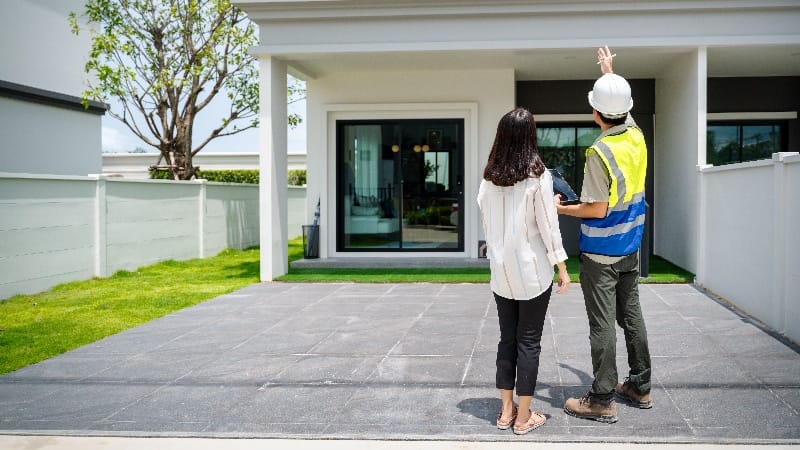
Uncovering Hidden Home Inspection Gems: Insights from Forum Discussions
Picture this: You've just toured your dream home, heart racing with visions of weekend barbecues and lazy Sunday mornings. The offer is in, the excitement is palpable—but hold up. Before the keys jingle in your hand, there's that all-important checkpoint: the home inspection. It's the unsung hero of real estate transactions, often dissected in lively threads on Reddit's r/FirstTimeHomeBuyer and Quora's real estate forums, where buyers share war stories of dodged bullets and overlooked landmines. Drawing from these candid exchanges, this post explores the nitty-gritty of home inspections, from preparation to post-report strategies. We'll highlight why understanding this process can transform a potential headache into a savvy investment. If you're gearing up for a Home Inspection Sarasota FL or anywhere else, these forum-fueled tips will arm you with the knowledge to spot issues early and negotiate like a pro. Let's peel back the layers on what really matters.
Preparing for Your Home Inspection: Setting the Stage for Success
Preparation isn't just about tidying up—it's about maximizing the value of your inspector's time and uncovering truths that could sway your decision. Forum users frequently lament rushing into inspections without a game plan, leading to missed details that surface later as expensive fixes.
Researching Local Building Codes and Climate-Specific Risks
One Quora thread emphasizes starting with local regulations; what flies in one region might be a red flag elsewhere. For instance, in flood-prone areas, check for elevation certificates and sump pump functionality. Reddit's r/HomeImprovement users advise reviewing recent flood history via FEMA maps—free online tools that reveal if the property's in a high-risk zone. Climate plays a role too: In humid spots, prioritize mold-prone areas like crawlspaces, while arid zones demand scrutiny of stucco cracks that invite pests.
Creating a Pre-Inspection Checklist from Buyer Experiences
Compile a list inspired by real tales—Reddit's r/RealEstate boasts threads on "inspection horror stories" that double as checklists. Note odd smells (sewer gas?), uneven floors (foundation settling?), or flickering lights (wiring woes?). Test faucets for pressure and drains for clogs yourself. Quora responders suggest photographing concerns during your initial walkthrough; these visuals jog the home inspector's memory and provide baselines for the report.
Coordinating with Your Real Estate Team
Timing is everything, as echoed in forum advice: Schedule within your contingency period, usually 7-14 days post-offer. Involve your agent early—they can flag seller disclosures on past repairs. One common tip from Quora: Request utility access so the inspector can run systems fully, avoiding "can't test because power's off" caveats that frustrate buyers.
Demystifying the Inspection Process: What Happens on the Day
The big day arrives with a mix of nerves and curiosity. Walkthroughs typically last 2-4 hours for a standard home, but knowing the flow—gleaned from countless "day-of" recaps online—helps you stay engaged without hovering.
The Walkthrough: Attending as an Active Participant
Should you tag along? Overwhelmingly, yes, say Reddit and Quora consensus. It's your chance to ask, "Why's this outlet warm?" or "Is that crack structural?" Inspectors appreciate informed questions, turning the session into a dialogue. Wear comfy clothes and closed-toe shoes for attic crawls or basement dives—practical wisdom from forum vets who once showed up in flip-flops.
Core Areas of Focus: Systems and Structures Under the Microscope
Expect a systematic sweep: Exterior (siding integrity, grading for drainage), roof (shingle wear, flashing seals), and interior (drywall cracks, window operation). Mechanicals get stress-tested—HVAC cycles, water heater pilots, and electrical load via outlet testers. Plumbing involves dye flushes for leak detection. Forums highlight "gotchas" like unpermitted additions, which could void insurance; always probe for documentation.
Add-On Tests: When to Go Beyond the Basics
Standard inspections cover 1,400+ items per ASHI standards, but extras shine in specialized scenarios. Radon kits ($20 DIY) for basements, termite probes in wood-heavy builds, or sewer scopes ($300) for older pipes. Quora users swear by these for peace of mind, especially post-storm seasons when hidden damage lurks. Weigh costs against risks— a $150 mold swab could avert $5,000 in remediation.
Interpreting and Acting on Your Inspection Report: Turning Insights into Power
That email drops: a 50-page PDF brimming with jargon and snapshots. Don't panic—it's your leverage tool. Online communities abound with "report decoding" guides that stress prioritization over perfection.
Prioritizing Findings: Safety vs. Cosmetics
Categorize ruthlessly: Immediate dangers (exposed wiring, gas leaks) demand action; deferred maintenance (aging water heater) informs budgeting. Reddit threads rate issues on a 1-5 scale—1 for "annoying but cheap," 5 for "walk-away worthy." The importance of home inspection shines here: One user's story of spotting corroded pool wiring saved a family from electrocution risks.
Negotiation Strategies Backed by Forum Wins
Armed with the report, counteroffer smartly—request repairs, credits, or concessions. Quora advice: Focus on 3-5 big-ticket items, like a $8,000 roof replacement, rather than nickel-and-diming minor cosmetics. Sellers often cover 70% if documented well. If stonewalled, escalate to a re-inspection or consult a specialist; forums warn against emotional attachments overriding facts.
Post-Inspection Follow-Ups: Ensuring Repairs Hold Up
Don't vanish after closing—schedule a final walkthrough. Hire the same home inspector for verification if needed. Long-term, use the report as a maintenance roadmap: Annual chimney sweeps if flues were iffy, or quarterly HVAC filters. Reddit's r/homeowners shares templates for tracking, turning one-time insights into lifelong habits.
Beyond the Basics: Advanced Considerations for Savvy Buyers
While core inspections suffice for most, deeper dives pay dividends in unique properties. Drawing from niche forum discussions, these extras address edge cases without overwhelming the novice.
Specialized Inspections for Unique Features
Pools? Get a chemical balance and liner check. Wells? Flow rate and contamination tests. Solar setups warrant efficiency audits. Quora's engineering crowd notes these prevent "surprise" clauses in warranties, with costs averaging $200-400.
Leveraging Technology in Modern Inspections
Drones for roof surveys, infrared cameras for heat loss—tools once sci-fi now standard, per recent Reddit buzz. Apps like Inspectify digitize reports for easy sharing. Embrace them for precision; one user credited thermal imaging with catching attic insulation gaps pre-move-in.
_1770707846763.jpg?alt=media&token=ff576560-d36d-4fcb-ae82-3f571eee94e3)