

Vocational Training: Boosting Confidence in Special Needs
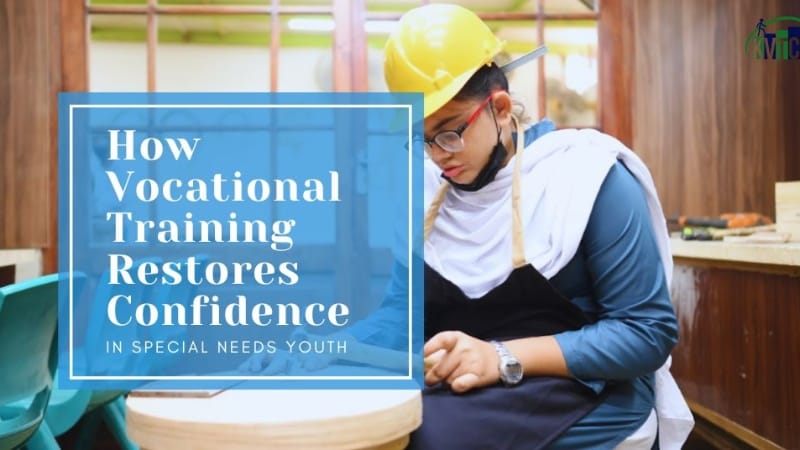
Transitioning to adulthood is challenging for any young person, but it can be especially difficult for Special Needs Youth. Intellectual, physical, or developmental challenges often create social barriers and self-doubt, making independence feel out of reach. However, vocational training offers a transformative solution, helping these young individuals regain confidence, develop marketable skills, and build self-worth.
Institutions like the Karachi Vocational Training Centre (KVTC) are leading this change. They do more than teach trades—they foster independence, restore confidence, and empower young people to become active contributors to society. Over the years, KVTC has proven that tailored vocational programs can help differently-abled youth realize their potential and lead dignified, productive lives.
The Confidence Gap: Challenges Faced by Special Needs Youth
Special Needs Youth face deeply rooted challenges that often erode self-esteem:
Social and Emotional Barriers: Stigma, discrimination, and exclusion from mainstream society can make youth feel "less than." Many face bullying or lack of understanding from peers, which significantly impacts their self-image.
Learning and Independence Challenges: Traditional schools often fail to adapt to diverse learning styles. Students may struggle with abstract concepts or teaching methods that do not align with their strengths. Overprotection by family or educators, though well-intentioned, can limit the development of crucial life skills.
Employment Challenges: Finding meaningful work is often difficult without specialized training. Lack of employment opportunities reinforces dependency and lowers self-confidence, leaving many youth unsure of their place in society.
Vocational training addresses all these issues by emphasizing ability over disability, building confidence through tangible results and real-world experiences.
Vocational Training: Building Self-Worth
Vocational programs shift the focus from what youth cannot do to what they can master. By developing practical, employable skills, students gain immediate accomplishment, reinforcing their sense of capability.
1. Mastering Marketable Skills
At KVTC, students are trained in a variety of trades and skills valued in the job market:
Culinary Arts & Food Services
Carpentry and Woodworking
Beauty and Salon Management
Arts, Crafts, and Textile Skills
IT and Digital Literacy
These programs offer tangible, real-world results. For example, a student may bake a perfect batch of cupcakes, craft a piece of furniture, or create a textile design that can be sold commercially. Each successful outcome boosts confidence, providing clear evidence of ability and competence.
Person-Centered Growth: KVTC designs training around each student’s interests, strengths, and learning pace. This tailored approach enhances motivation and ensures mastery, fostering both skill development and self-esteem.
2. Fostering Autonomy and Self-Advocacy
Vocational training goes beyond teaching technical skills—it builds life skills and independence:
Daily Life Skills: Students learn hygiene, personal grooming, and basic financial literacy, allowing them to manage personal and household tasks independently.
Decision-Making and Goal Setting: Students choose their preferred trades, set personal goals, and actively participate in their own learning. This cultivates a sense of ownership over their education and future.
Through this process, youth learn to advocate for themselves, communicate needs effectively, and take control of their personal and professional lives.
KVTC: A Model of Hope and Opportunity
The Karachi Vocational Training Centre (KVTC) has been empowering Special Needs Youth for over 30 years. It provides free vocational training, therapy, and skill-building programs for youth with intellectual and developmental challenges, including autism and Down syndrome.
KVTC also runs in-house brands and businesses to provide real-world experience:
JIDDAT: A brand focused on home accessories and apparel created by students
Café RISE: A culinary project where students manage all operations from cooking to serving
These ventures give students practical experience and a sense of purpose. They see the direct impact of their skills, earn recognition, and contribute meaningfully to the community.
Beyond Skills: Holistic Benefits
Vocational training also promotes emotional, social, and mental well-being:
A Clear Sense of Purpose: Learning and mastering a skill provides motivation and a tangible goal.
Social Skills Development: Students interact in team settings, improving communication, collaboration, and problem-solving.
Dignity and Respect: Meaningful work allows students to contribute to society, building self-respect and combating societal stigma.
KVTC’s personalized educational plans (IEPs) ensure that each student’s unique needs are met, guiding them from skill acquisition to independent employment and social inclusion.
Conclusion
Vocational training is a life-changing solution for Special Needs Youth. It restores confidence, fosters independence, and equips young people with practical skills and social abilities. Institutions like KVTC are transforming lives by turning potential into purpose, and ability into tangible achievements.
Investing in vocational programs for special children is more than an educational choice—it’s an investment in a skilled, confident, and empowered future generation.
SEO Tags
How vocational training restores confidence in special needs students
Best vocational programs for differently abled youth in Pakistan
Skills development for independence in special needs youth
KVTC success stories of special needs empowerment
Special Needs Youth Empowerment
Inclusive Vocational Training
Life Skills for Special Needs
Practical Training for Differently Abled
Hands-On Skill Development
KVTC,
Vocational Training: Boosting Confidence in Special Needs Youth