

What Is the Nofollow Attribute in SEO & Why It Still Matters
Understand What the Nofollow Attribute in SEO and Why It Still Matters Today
In the world of SEO, links act like pathways that help search engines understand how pages relate to each other. Over the years, as search engines became smarter, link signals also became more refined. One such refinement is the nofollow attribute. Although it sounds technical, its role is quite practical and deeply connected to how trust, relevance, and intent are handled online. Understanding nofollow links helps website owners, content creators, and SEO professionals maintain a clean, balanced, and future ready website.
Understanding the Nofollow Attribute in Simple Terms
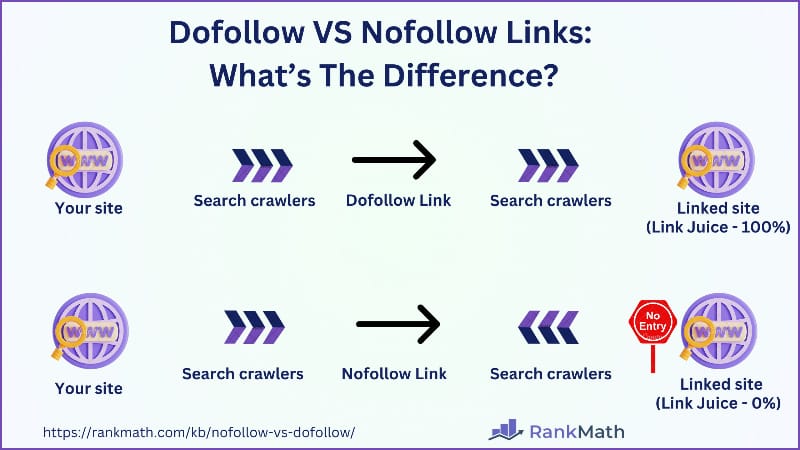
The nofollow attribute is a small piece of code added to a hyperlink. Its purpose is to inform search engines that the website owner does not want to pass ranking credit through that link. In other words, the link exists for users, but it does not act as a vote of authority in the eyes of search engines. This concept was introduced to address growing concerns around spam, especially in blog comments and user generated areas.
Why Search Engines Needed the Nofollow Attribute
As search engines evolved, links became a major ranking factor. Naturally, this led to manipulation. People started placing links everywhere to influence rankings rather than help users. Search engines responded by introducing nofollow as a control mechanism. It allowed website owners to link out naturally without being responsible for the quality or intent of the linked page.
Importance of Nofollow Links for Website Trust
Trust is a foundational element of sustainable SEO. When a website uses nofollow appropriately, it demonstrates awareness of link responsibility and editorial judgment. Search engines recognize this behavior as a sign of transparency, which supports long term trust signals rather than short term ranking manipulation.
Impact of Nofollow Links on Crawling and Indexing
While nofollow does not block crawling entirely, it influences how search engines allocate attention. Pages linked through nofollow may still be indexed if discovered through other paths. Therefore, nofollow should not be confused with directives like noindex. Each serves a distinct purpose.
Nofollow and EEAT Principles
Experience, Expertise, Authoritativeness, and Trustworthiness are now central to SEO. Nofollow links support EEAT by showing that a site distinguishes between endorsed content and referenced content. This clarity strengthens perceived editorial integrity and aligns with modern quality guidelines.
Common Myths About Nofollow Links
One common myth is that nofollow links have zero SEO value. In reality, they contribute indirectly through visibility, traffic, and brand mentions. Another misconception is that too many nofollow links harm rankings. What matters is balance, relevance, and intent, not the presence of nofollow itself.
Nofollow in a Long Term SEO Strategy
Rather than chasing short term gains, nofollow supports sustainable SEO. It allows websites to grow naturally, participate in conversations, and reference useful resources without fear. Over time, this approach builds resilience against algorithm updates and trust related penalties.
Why Nofollow Still Matters in 2026 and Beyond
Even as algorithms become more intelligent, the need for clear signals remains. Nofollow continues to act as a communication tool between site owners and search engines. Its relevance lies not in restricting value, but in defining intent accurately.
How Thoughtful Linking Improves User Experience
Users benefit when links are placed for genuine informational value. Whether dofollow or nofollow, links should guide users to deeper understanding. This human first approach aligns closely with how modern SEO evaluates content quality.
Industry Perspective on Link Attributes
Across the SEO industry, link attributes are increasingly viewed as a form of communication rather than a mechanism for rigid control. Experienced professionals recognize that attributes like nofollow help explain intent, context, and editorial responsibility to search engines. Instead of focusing solely on authority flow, modern SEO discussions emphasize how links contribute to clarity, relevance, and trust within a broader content ecosystem.
A balanced approach to link attributes often reflects a mature SEO mindset. This perspective is frequently echoed in insights and knowledge sharing among Best Digital Marketing Agencies in USA, where emphasis is placed on long term credibility rather than short term manipulation. By using link attributes thoughtfully and consistently, websites demonstrate an understanding of evolving search standards and align more closely with how search engines evaluate quality and authenticity today.
Conclusion
The nofollow attribute is not a limitation, but a tool for clarity and responsibility. It helps maintain trust, supports a natural link ecosystem, and aligns with modern SEO principles rooted in user intent and quality. By understanding when and how to use nofollow, websites can build long term credibility while staying adaptable to evolving search engine standards. Thoughtful linking is no longer optional. It is foundational to sustainable online growth.
FAQs (Frequently Asked Questions)
What is the main purpose of the nofollow attribute in SEO?
The primary purpose of the nofollow attribute is to guide search engines on how to treat specific links. It signals that the site owner is not passing ranking authority through that link. This helps prevent misuse, supports transparency, and maintains trust while still allowing users to access relevant information naturally.
Do nofollow links help with website traffic?
Yes, nofollow links can still generate meaningful traffic. Even without passing ranking authority, they can drive users from relevant platforms, increase brand visibility, and contribute to awareness. From a user perspective, a helpful link remains valuable regardless of its technical attribute.
Can search engines ignore the nofollow attribute?
Modern search engines treat nofollow as a hint rather than a strict rule. This means they may still evaluate the link contextually. However, the original signal of limited endorsement remains important and is generally respected in ranking calculations.
Is it bad to have too many nofollow links on a website?
Having many nofollow links is not inherently negative. What matters is why they exist and how they are used. A natural website often contains nofollow links in comments, references, and user generated sections. Balance and relevance are the key factors search engines look for.
How does nofollow support long term SEO stability?
Nofollow contributes to stability by reducing the risk of link related penalties and maintaining a clean link profile. It allows websites to link responsibly, engage openly, and adapt to algorithm changes without relying on manipulative practices.
_1770707846763.jpg?alt=media&token=ff576560-d36d-4fcb-ae82-3f571eee94e3)