
Why NFC Business Card Is a Must for Entrepreneurs
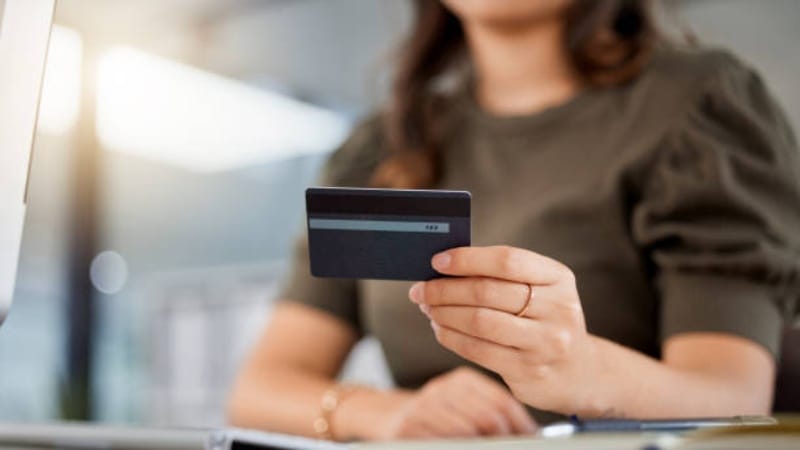
Picture this: You're at a bustling networking event, and you've just had an incredible conversation with a potential investor. They ask for your business card, and instead of fumbling through your wallet for a crumpled piece of cardstock, you simply tap your sleek NFC business card against their phone. Within seconds, all your contact information, social media profiles, and portfolio link appear on their screen. They're impressed. You've just made a memorable first impression that screams "forward-thinking entrepreneur."
In today's digital-first world, traditional paper business cards are becoming as outdated as fax machines. If you're an entrepreneur serious about growing your business and making lasting connections, it's time to embrace the NFC business card revolution. Let's explore why this smart technology isn't just a fancy gadget—it's an essential tool for modern business success.
What Exactly Is an NFC Business Card?
NFC stands for Near Field Communication, a wireless technology that allows two devices to communicate when they're close together. An NFC business card uses this technology embedded in a physical card to instantly share your contact information with anyone who has a smartphone.
Think of it as a digital handshake. When someone taps their phone against your NFC card, it opens your digital business card profile on their device. No app downloads required, no typing long URLs, and no manual entry of contact details. It's networking made effortless. These cards come in various forms—traditional card shapes with embedded chips, metal cards, keychains, or even smart rings. The technology is the same: one tap, instant connection.
The Problems with Traditional Business Cards
Let's be honest about paper business cards. How many have you received that ended up in a drawer, never to be seen again? Traditional business cards have served us well for centuries, but they come with significant limitations in our modern business landscape.
First, there's the static information problem. Once you print 500 cards and your phone number changes, or you update your job title—those cards become instant trash. You're stuck with outdated information that could cost you opportunities. Then there's the environmental impact. Americans alone throw away approximately 27 million business cards every single day. That's roughly 10 billion cards per year ending up in landfills.
There's also the memorability factor. In a sea of identical white rectangles with black text, how does your card stand out? It doesn't. You blend into the background noise of every other networker at the event.
How NFC Business Cards Solve These Challenges
NFC business cards address every limitation of their paper predecessors while adding powerful new capabilities. The beauty lies in their dynamic nature and the enhanced experience they provide to both you and your contacts.
The Entrepreneur's Edge: Why NFC Cards Matter for Business Growth
As an entrepreneur, every interaction is a potential opportunity. Every networking event could lead to your next big client, investor, or partnership. The question is: are you maximizing these opportunities?
NFC business cards give you a competitive advantage that goes beyond convenience. They position you as an innovator and early adopter. When you use technology that most people haven't encountered, you're demonstrating that you're ahead of the curve. This perception matters tremendously in business.
Cost-Effectiveness: The Long-Term Value Proposition
At first glance, NFC business cards might seem expensive. A quality NFC card typically costs $2 to $10 per card, while paper cards might cost pennies each. But this comparison misses the bigger financial picture.
A single NFC card can replace thousands of paper cards over its lifetime. If you attend regular networking events, you might distribute hundreds of paper cards annually—recurring printing costs, shipping, and storage. With one NFC card, those ongoing expenses disappear.
Implementation: Getting Started with NFC Business Cards
The good news is that implementing NFC business cards is surprisingly straightforward. You don't need to be tech-savvy, and the entire process can be completed in less than a day.
First, choose an NFC card provider. Popular options include Mobilo, Popl, Tap, and V1CE. Each offers different features, design options, and pricing. Consider what matters most: customization, analytics depth, CRM integration, or budget.
The Future of Networking
The business world is rapidly evolving. Remote work, virtual meetings, and digital-first communication have become standard. Yet paradoxically, when in-person interactions do happen, they've become more valuable than ever. This is where NFC business cards truly shine.
Conclusion: The Smart Choice for Modern Entrepreneurs
The entrepreneurial journey is filled with countless decisions. The decision to use NFC business cards might seem small, but its impact on your networking effectiveness and professional image can be substantial.
We're living in a transitional moment where digital and physical worlds are merging. The entrepreneurs who thrive will be those who embrace tools that enhance human connection rather than replace it. NFC business cards do exactly that—they make it easier to connect, easier to follow up, and easier to maintain relationships that drive business growth.
Frequently Asked Questions
Do NFC business cards work with all smartphones?
Yes, NFC business cards work with virtually all modern smartphones. iPhones from iPhone 7 and newer have built-in NFC capabilities, as do most Android phones manufactured after 2015. The recipient doesn't need any special app—the phone's native NFC reader activates automatically when tapped. In cases where a phone doesn't have NFC, most cards include a QR code backup option that can be scanned with the camera.